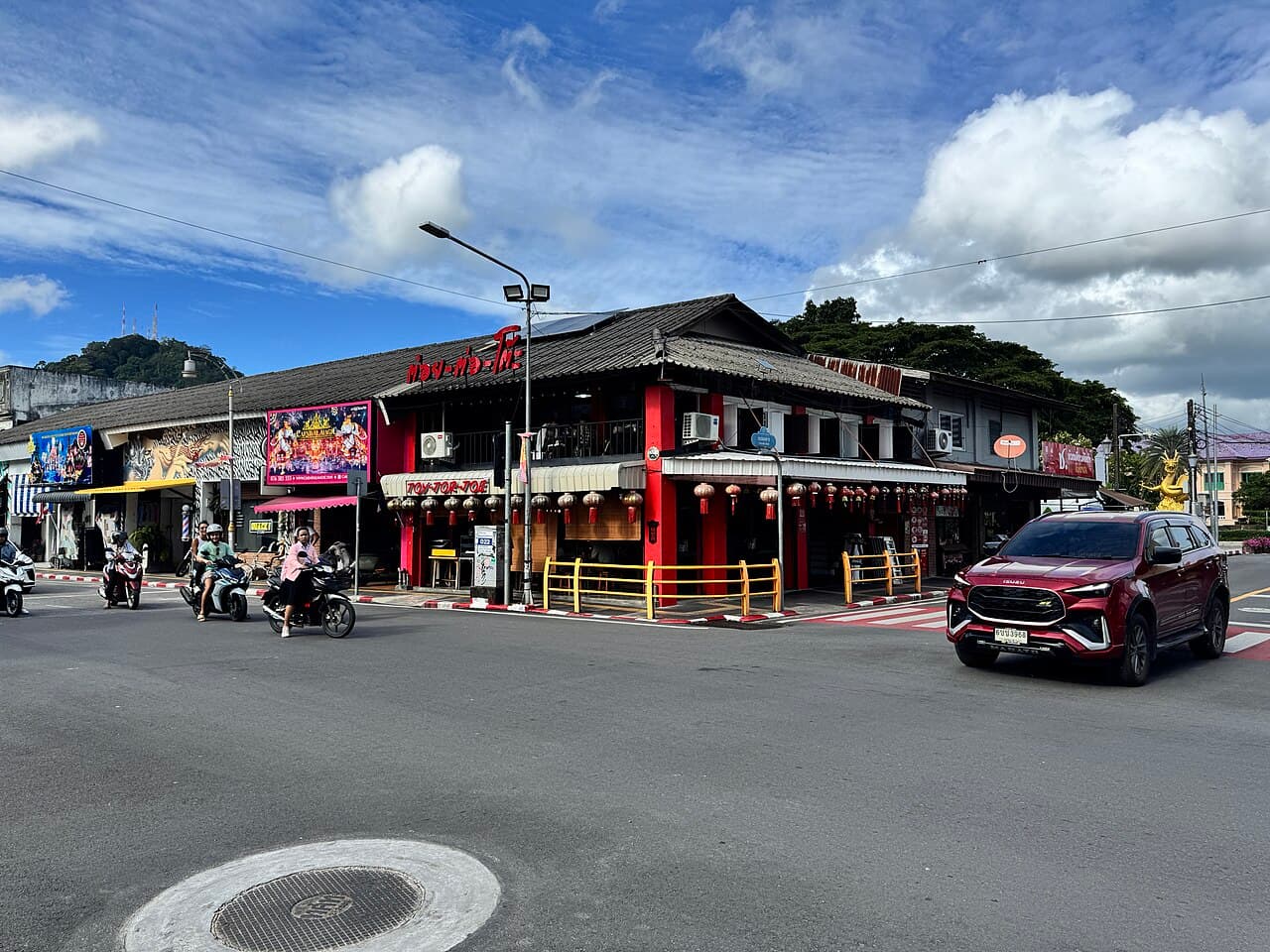
Connect this guide with the rest of your visit in the Phuket trip planner. Read how the research is made and what its sources establish.
At a glance
Start here
- Treat food as community knowledge, not a collectible list.
- Use Old Town and Thai Hua Museum to connect dishes with migration and mining-era urban life.
- Compare versions without appointing one vendor as the universal standard.
- Ask about ingredients and dietary needs directly; heritage status is not an allergy guarantee.
01
What the UNESCO designation actually recognises
UNESCO lists Phuket in the Creative Cities Network under gastronomy and says traditional culinary culture supports intercultural and intergenerational dialogue. It highlights recipes transmitted within families and communities, along with efforts toward responsible production and consumption. The designation concerns a living food system, not a prize awarded to one restaurant or dish.
Use that distinction when planning. A polished tasting menu, morning noodle shop, market snack and family-run restaurant can each reveal part of the system. No venue becomes officially superior merely because it serves a named local food. Current hygiene, ingredients, price and access must be assessed at the business itself.
- Ask what community or occasion a dish is associated with.
- Notice whether ingredients are local, imported or seasonal without assuming.
- Do not use UNESCO's name as a restaurant endorsement.
02
Trade brought people, techniques and new appetites
TAT connects Old Town's food with the different cultures that influenced Phuket and links the district's built prosperity to tin mining. The same movement of merchants and workers that shaped streets also shaped breakfast habits, noodle styles, sweets and ways of using island produce. Food history and urban history therefore belong in the same walk.
Avoid turning influence into a simplistic origin claim. A current dish may have changed through household preference, ingredient availability and commercial adaptation. Describe what an official source establishes, then ask the cook or vendor how that particular version is made. One respectful question produces more information than announcing that a dish is exactly the same everywhere.
- Connect the meal to the neighbourhood where it is served.
- Ask about a recipe's local name and main ingredients.
- Leave disputed origin stories unresolved unless a heritage source supports them.
03
Breakfast reveals Phuket's cultural mix
TAT's historic-roads article names dim sum, a-pong, Chinese-style fried noodles and Phuket-style kanom jeen among Old Town foods. The value of this list is contrast: steamed snacks, a thin sweet pancake and rice noodles with curries point to different techniques and eating rhythms within one compact district.
Build a tasting morning around two items, not six full meals. Share only when everyone is comfortable, order modestly, and ask before moving plates for photographs. If allergies, religious practice or dietary restrictions matter, communicate them clearly; a familiar-looking dumpling, curry or sauce can contain ingredients that are not visually obvious.
- Choose one light item and one substantial dish.
- State allergies before food is prepared.
- Treat recipe variation as information, not failure.
04
Ceremonial food carries memory beyond restaurants
The Phuket provincial gastronomy strategy describes local food alongside religion, culture and tradition, including ang ku, a red tortoise-shaped cake associated in the document with Chinese ancestral observance and longevity symbolism. This is a reminder that some foods carry family or ceremonial meanings beyond their sale as snacks.
A visitor should not stage or imitate a ritual from a short description. Learn through current museum interpretation, community-led programming or an invited public event. Festival dates and access change, so this article does not publish a calendar. When a food is encountered commercially, appreciate it without claiming participation in the tradition that gives it meaning.
- Distinguish a food's sale from its ceremonial use.
- Check current official event information before attending.
- Do not photograph private observance without permission.
05
Ingredients link Phuket Town with the wider island
The provincial strategy names seafood, livestock, coconut, pineapple and several locally occurring plants and fungi within Phuket's food-resource discussion. Its data are from an older planning period, so they should not be treated as current production totals. They still show that gastronomy policy looked beyond restaurant menus to agriculture, fisheries and local materials.
Ask a vendor what is in season or sourced nearby, but accept a precise answer only from the person responsible for that food. Local branding does not prove every ingredient was grown on Phuket. The more useful visitor habit is to understand supply as part of the dish and avoid making unsupported zero-mile or sustainability claims.
- Ask rather than infer where ingredients came from.
- Do not repeat old production statistics as current facts.
- Notice preserved, dried and fermented ingredients as well as fresh ones.
06
Build a three-stop route with three questions
A practical food route can use three roles: a morning shop for everyday rhythm, a museum or official interpretation stop for history, and a later meal for comparison. At each, ask a different question: what is eaten, how knowledge moved between generations, and how the food system is changing. This keeps the day analytical without making it academic.
The UNESCO monitoring report says Phuket City Municipality and Museum Phuket have produced material on local gastronomic heritage, including Hokkien noodles. The PDF itself rejected a direct browser open during this research, so that evidence comes from the search-rendered official document. Verify current museum displays and programmes before planning around them.
- Keep the route within one district.
- Leave room for queues and a full stomach.
- Use current museum and business information for access.
Useful answers
Reader questions
What does Phuket's UNESCO gastronomy status mean for visitors?
It identifies a city where culinary culture, knowledge exchange and family transmission are part of creative development. It does not certify every restaurant or make one dish compulsory.
Sources: UNESCO Creative Cities NetworkWhich foods can introduce Phuket's mixed heritage?
TAT names examples including a-pong, dim sum, Chinese-style fried noodles and Phuket-style kanom jeen. Use them as starting points, not a definitive or ranked list.
Sources: Tourism Authority of ThailandIs ang ku only a tourist snack?
The provincial strategy describes it within Chinese ancestral observance and longevity symbolism. A commercial version should not be detached from that cultural context.
Sources: Phuket Provincial OfficeDoes local food mean every ingredient comes from Phuket?
No. Ask the business about sourcing if it matters. The official planning material discusses local resources, but it does not prove the origin of ingredients in a particular meal.
Sources: Phuket Provincial Office; UNESCO Creative Cities NetworkRead the evidence
Sources and further reading
These sources support the relevant sections above. Plans and comparisons are editorial suggestions. Check operators for current arrangements.
- Phuket ↗UNESCO Creative Cities Network · Research date 14 September 2026
Phuket's gastronomy designation, intercultural and intergenerational role, family recipe transmission and sustainable-food aims.
- UNESCO Creative Cities Network - Reporting Exercise 2024 - Phuket ↗UNESCO Creative Cities Network and Phuket City Municipality · Research date 14 September 2026
Municipal and Museum Phuket work on gastronomic-heritage interpretation; direct open was rejected and only search-rendered official-document evidence is used.
- แผนยุทธศาสตร์ Phuket : City of Gastronomy พ.ศ.2560 - 2564 ↗Phuket Provincial Office · Research date 14 September 2026
Historic municipal strategy on local dishes, ingredients, ceremonial food, heritage conservation and food knowledge; old statistics are not treated as current.
- STROLL THE HISTORIC ROADS IN PHUKET OLD TOWN ↗Tourism Authority of Thailand · Research date 14 September 2026
Examples of Old Town foods and the connection between culinary variety, cultural influence, mining prosperity and the historic district.